


For decades, press brakes have been the backbone of metal fabrication. Because they’ve been around so long, they’re sometimes labeled as “old technology.” But that label no longer fits today’s machines.
The truth is simple: the press brake has evolved. While the fundamental bending principle remains proven and reliable, modern press brakes are sophisticated, software-driven manufacturing systems. Today’s machines combine precision engineering, advanced controls, automation, and digital connectivity to deliver performance levels that were impossible just a generation ago.
At International Technologies, Inc., we work with manufacturers every day who are discovering that a modern press brake isn’t a step backward—it’s a competitive advantage.
From Mechanical Power to Intelligent Manufacturing
Early press brakes relied heavily on manual setup, operator experience, and trial-and-error adjustments. Skilled operators were essential, but even the best operators faced limitations in speed, repeatability, and consistency.
Today’s press brakes tell a very different story.

Modern machines integrate advanced CNC controls, high-resolution sensors, and real-time feedback systems that transform bending from an art into a repeatable, predictable science. Setup times are shorter, accuracy is dramatically improved, and results are consistent from the first part to the thousandth.
This evolution hasn’t replaced the press brake—it has elevated it.
Software Has Redefined What a Press Brake Can Do
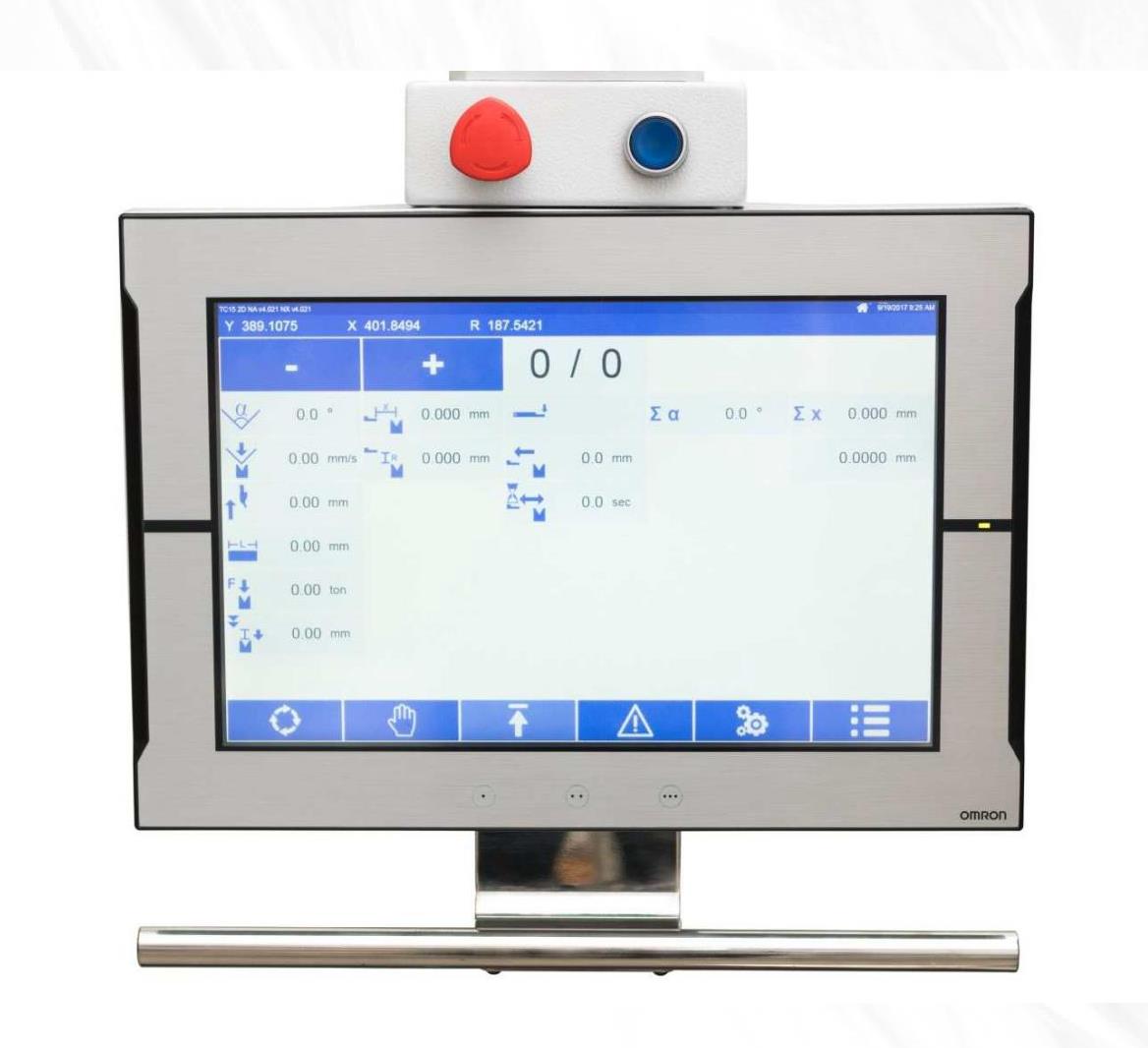
One of the biggest technological leaps in modern press brakes is software.
Advanced CNC controls allow operators to:
• Program complex parts quickly and intuitively
• Simulate bends before material ever hits the bed
• Automatically calculate bend sequences and backgauge positions
• Reduce setup errors and scrap before production begins
Offline programming enables jobs to be prepared while machines are still running, maximizing uptime and throughput. Instead of stopping production to test and adjust, operators can move confidently from job to job with minimal interruption.
In today’s production environments, time spent bending isn’t the bottleneck—setup time is. Modern press brakes are designed specifically to eliminate that bottleneck.
Precision That Meets Today’s Tolerances
Manufacturing standards continue to tighten, and modern press brakes are built to meet them.
Advanced drive systems—whether hydraulic, servo-hydraulic, or electric—deliver precise ram control throughout the entire bending cycle. Angle measurement systems and closed-loop feedback automatically correct for material variation, ensuring consistent results even when working with high-strength or variable materials.
The benefits are tangible:
• Fewer reworks
• Less scrap
• Predictable quality across production runs
• Confidence when bidding on higher-tolerance work
This level of precision isn’t theoretical—it shows up on the shop floor every day.
Automation That Addresses the Labor Challenge
Finding skilled labor remains one of the biggest challenges in manufacturing. Modern press brakes help close that gap.
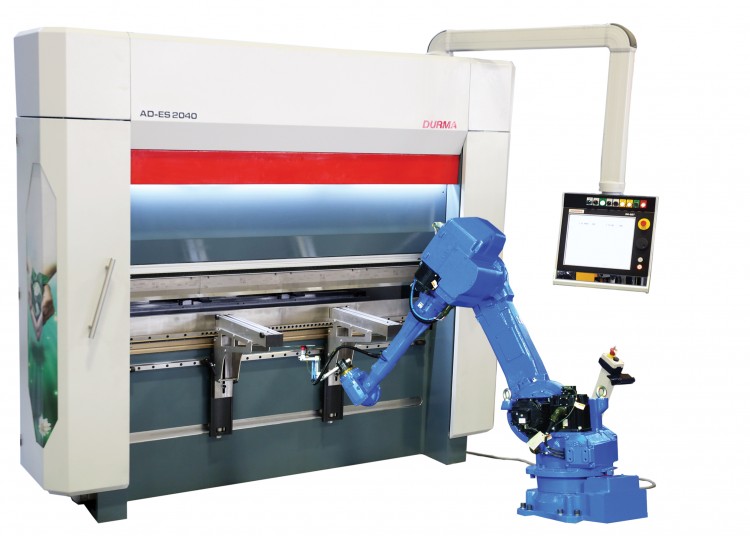
Automation options—such as robotic loading and unloading, automated tool changers, and adaptive backgauge systems—reduce dependence on highly specialized manual skills. Operators spend less time on repetitive tasks and more time overseeing quality and workflow.
Rather than replacing people, automation allows manufacturers to:
• Do more with smaller teams
• Reduce operator fatigue
• Improve safety
• Scale production without scaling headcount
In a competitive labor market, this is no longer optional—it’s essential.
Connectivity and Industry 4.0 Readiness
Another reason today’s press brakes should be viewed as high-tech machines is connectivity.
Modern systems can:
• Collect and analyze production data
• Monitor machine health and performance
• Integrate with ERP and MES systems
• Support predictive maintenance strategies
This means press brakes are no longer standalone machines. They are connected assets within a larger digital manufacturing ecosystem, providing valuable data that supports smarter decisions, improved uptime, and lower total cost of ownership.
Energy Efficiency and Sustainable Performance
Technology has also made press brakes more efficient.
Newer drive systems consume less energy, use fewer consumables, and require less hydraulic oil. Machines draw power only when needed, reducing operating costs during idle periods.
For manufacturers focused on sustainability and cost control, this translates directly into measurable savings—without sacrificing performance.

Why Proven Technology Still Wins
One of the biggest advantages of the press brake is that its core function is proven. Unlike untested concepts, the press brake delivers a known, reliable process—enhanced by today’s technology.
At International Technologies, Inc., we believe the best machines combine:
• Proven mechanical fundamentals
• Modern intelligence and software
• Expert application support
• Long-term service and training
That combination gives manufacturers the confidence to modernize without unnecessary risk.
Looking at Press Brakes Through a Modern Lens
Calling today’s press brakes “old technology” ignores just how far they’ve come. The modern press brake is:
• Intelligent
• Connected
• Precise
• Efficient
• Ready for the future of manufacturing
If you haven’t taken a fresh look at press brake technology recently, now is the time.
The machine may be familiar—but what it can do today is anything but old.
Ready to Learn More?
Contact International Technologies, Inc. to see how modern press brake solutions can increase productivity, improve quality, and position your operation for what’s next in metal fabrication.