


Busbar fabrication should be a straightforward process: cut the material to length, punch holes, and bend accurately to spec. In reality, many shops struggle with inconsistent quality, slow throughput, and too much manual handling—all of which add cost and risk.
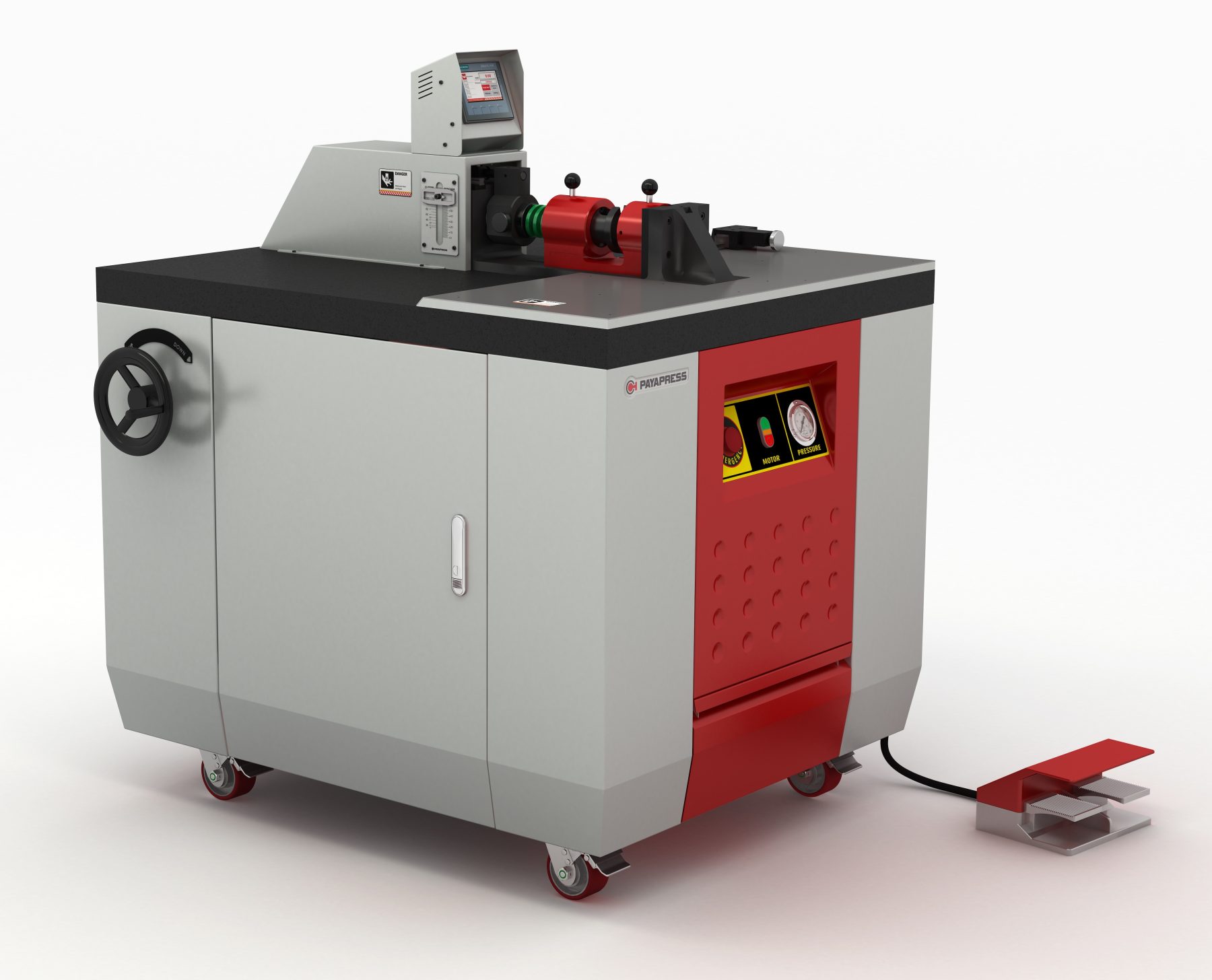
Payapress 3 in 1 busbar processing machines are designed specifically to eliminate these pain points by combining punching, bending, and cutting into one robust platform. Below, we’ll break down the most common busbar fabrication problems—and how a 3 in 1 Payapress machine addresses each one.
Problem #1: Too Many Separate Operations and Setups
In many shops, busbar fabrication requires multiple machines—or worse, multiple manual processes. A shear for cutting, a separate press for punching, and another setup for bending means:
• Extra material handling
• Increased chances for errors
• More floor space consumed
• Slowed production

The Payapress solution:
Payapress 3 in 1 machines consolidate cutting, punching, and bending into a single workstation. Operators move seamlessly between operations without re-fixturing the workpiece.
Result:
• Faster job completion
• Fewer opportunities for mistakes
• Smoother workflow from raw stock to finished busbar
Problem #2: Inconsistent Hole Placement and Edge Quality
Manual punching or worn tooling often leads to:
• Misaligned holes
• Burrs that require secondary deburring
• Rejected parts and rework
These inconsistencies aren’t just cosmetic—they interfere with assembly and electrical performance. Bad parts undermine your shop’s credibility and impact your bottom line.
The Payapress solution:
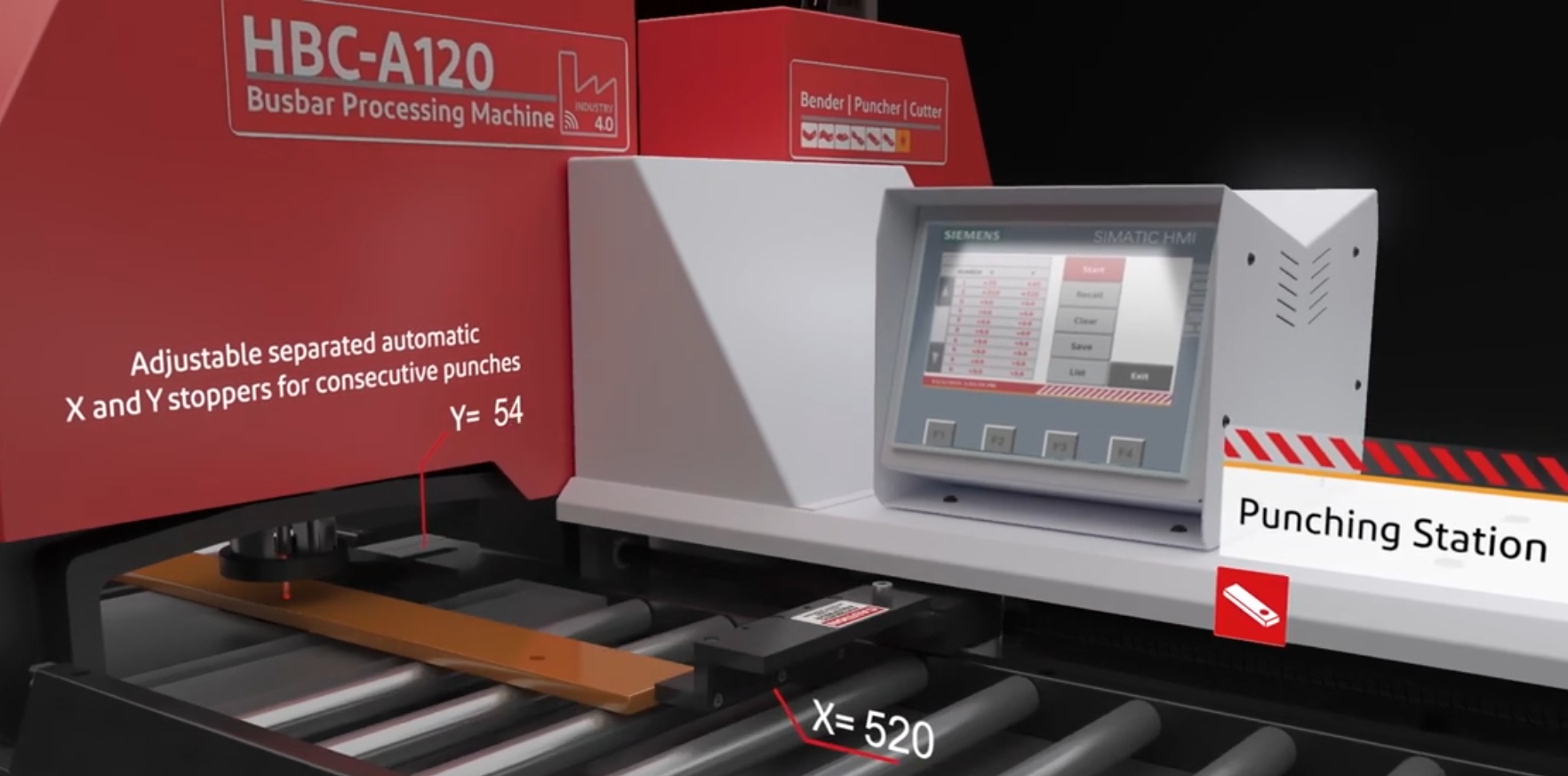
Payapress machines are built with precision-guided punching systems that deliver repeatable, clean holes every time. Tooling is designed for copper and aluminum busbar material, minimizing deformation and edge defects.
Result:
• Accurate hole placement
• Clean edges
• Reduced rework and scrap
Problem #3: Slow Production and Labor Bottlenecks
Busbar fabrication is often a bottleneck, especially when skilled operators are tied up with manual steps. As labor costs rise and skilled trades are harder to find, shops need ways to do more with fewer people.
The Payapress solution:
By integrating three operations into one machine, Payapress systems significantly reduce handling time and operator fatigue. Simple controls and efficient tooling make it easier to train operators and maintain consistent output.
Result:
• More parts produced per shift
• Less dependence on highly specialized labor
• Better use of skilled personnel elsewhere in the shop
Problem #4: Inaccurate or Inconsistent Bends
Improper bends can derail an entire assembly. Inaccurate bending leads to:
• Poor fit in panels and switchgear
• Stress on connections
• Time-consuming adjustments
Manual bending methods are especially prone to inconsistency, particularly on thicker or wider busbars.
The Payapress solution:
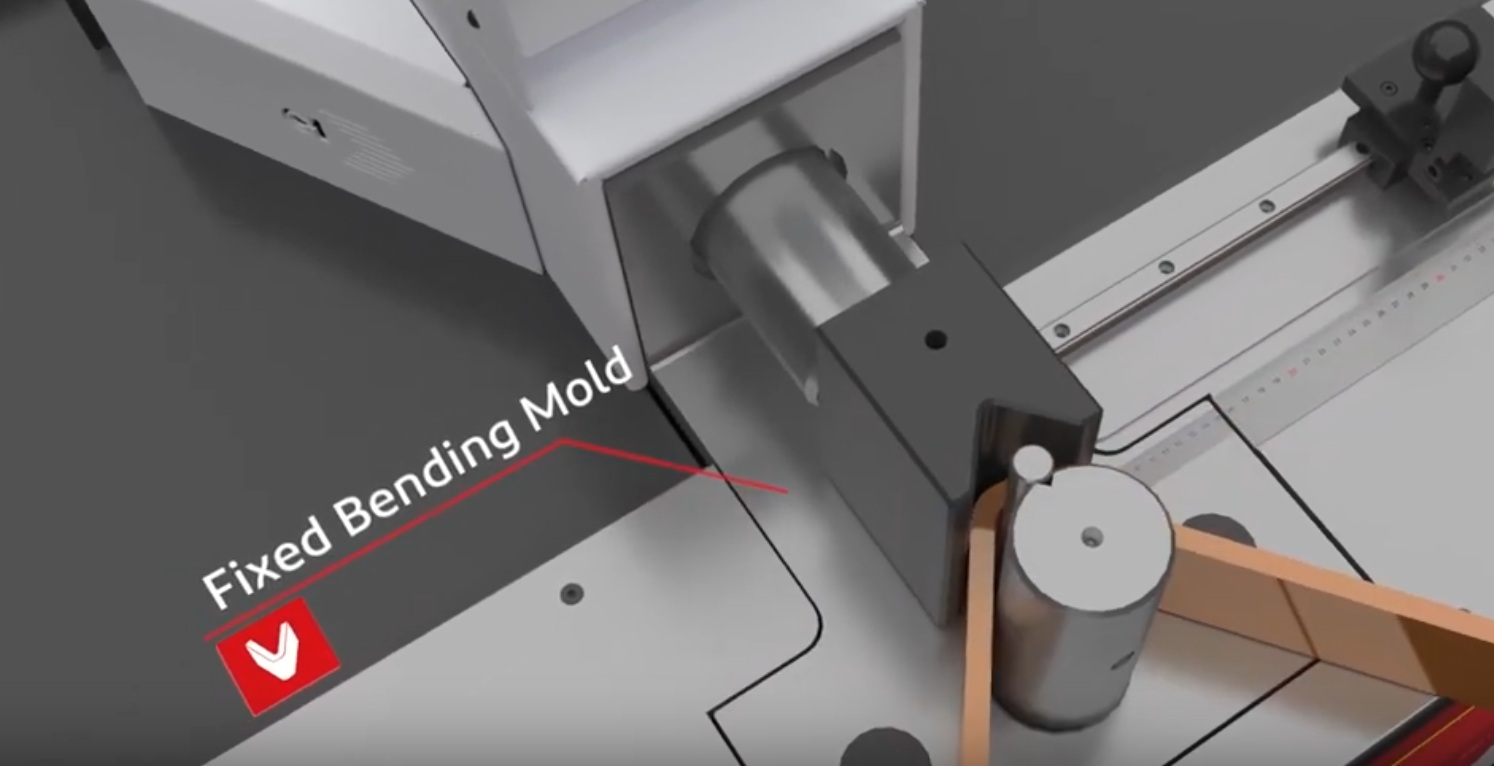
Payapress bending stations are engineered for controlled, repeatable bends with proper support across the busbar width. This ensures consistent bend angles and minimizes material stress.
Result:
• Reliable, repeatable bends
• Improved fit and assembly accuracy
• Fewer rejected parts downstream
Problem #5: Safety Risks from Manual Handling
Sharp edges, heavy copper stock, and repetitive handling put operators at risk. Manual busbar processing increases the likelihood of:
• Hand injuries
• Strains and fatigue
• Inconsistent compliance with safety procedures
The Payapress solution:
By reducing the need to move parts between machines and minimizing manual force needed for punching and bending, Payapress machines create a safer, more ergonomic work environment.
Result:
• Reduced risk of injury
• Improved operator confidence and morale
• Safer, more controlled fabrication process
Problem #6: Floor Space Constraints
Many electrical fabrication shops simply don’t have room for multiple standalone machines. Floor space is valuable, and inefficient layouts slow production.
The Payapress solution:
A single Payapress 3 in 1 machine replaces multiple pieces of equipment, freeing up valuable floor space and simplifying shop layout.
Result:
• More efficient use of square footage
• Cleaner, more organized production areas
• Room to scale without expanding facilities
Why a 3 in 1 Machine Makes Sense Right Now
With increasing demand for electrical infrastructure—switchgear, panels, and distribution equipment—shops need faster, more reliable busbar fabrication methods. Payapress 3 in 1 machines are purposely designed for this reality, delivering:
• Consistent quality
• Improved productivity
• Lower labor and rework costs
• A safer, more efficient shop floor
In short, Payapress machines turn busbar fabrication from a bottleneck into a competitive advantage.
Ready to See If Payapress Is a Fit for Your Shop?
If your team is struggling with slow busbar production, inconsistent quality, or labor challenges, a Payapress 3 in 1 machine may be the simplest upgrade you can make.
Talk with our team to discuss your material sizes, production volumes, and application needs—and find out how Payapress can streamline your busbar fabrication process.